
population-scope: Regional
 Culpepper Garden
 Culpepper Garden
EIN: 54-1681671
Mission Statement
Serving Northern Virginia since 1975, Culpepper Garden nonprofit retirement community provides affordable housing and a range of supportive services that enable older adults on very low, fixed incomes to age with independence, dignity, wellness, connection, and peace of mind. This award-winning community provides a vital lifeline for 400 vulnerable seniors per year who in no other instance can afford a home in this costly area or the services that meet their basic needs as they grow older. In many cases, Culpepper Garden is their last, best home.
Program Summary
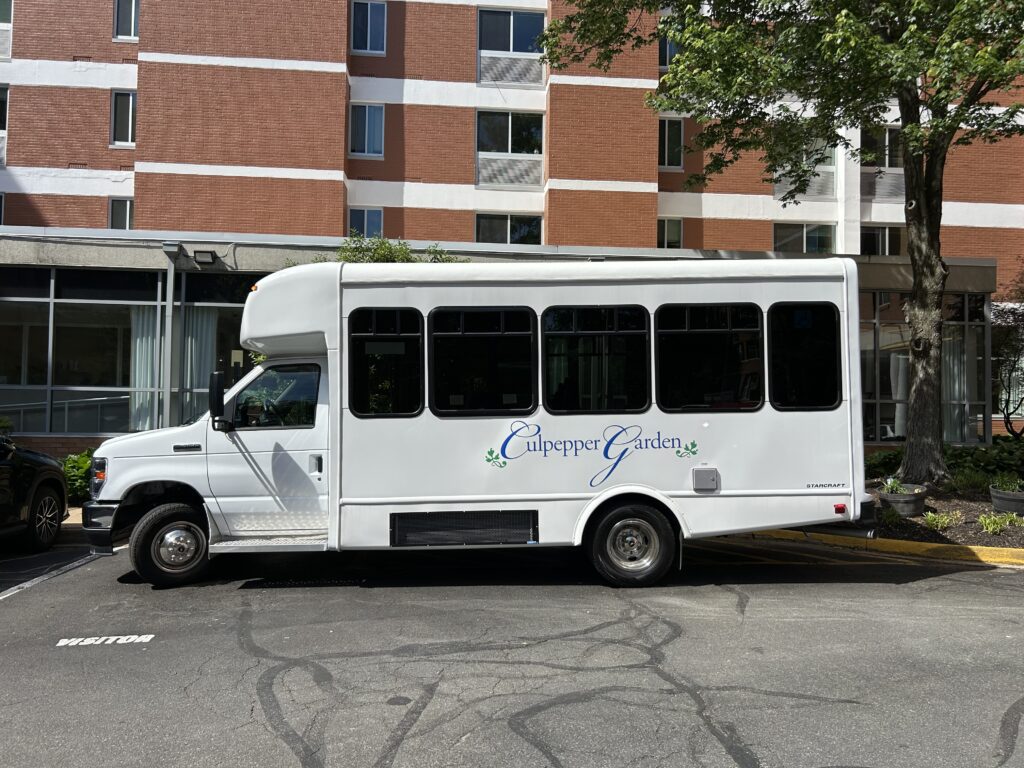
Owned by the nonprofit Arlington Retirement Housing Corporation, Culpepper Garden provides 346 units of federally subsidized Independent Living. Our services begin with immediate housing stabilization in our well-maintained apartments, but our work does not end there. We are the only affordable retirement community in Arlington that offers a dining plan and provides free transportation to medical appointments and shopping destinations to ensure our residents have food security and access to healthcare services. A full calendar of daily activities fosters social engagement and enriches our residents’ lives. An array of free and low-cost wellness services provided by two dozen community partners help to maintain residents’ physical, dental, visual, and mental health. Through responsible stewardship and a commitment to equity, we strive to ensure older adults with limited resources have a stable home, meaningful support in a vibrant community, and the opportunity to thrive.
This affordable, service-enriched housing model has helped to reduce homelessness among older adults in Arlington County by 15% over the past several years. Culpepper Garden’s services provided in collaboration with our partners’ wellness programs consistently improve health outcomes for our residents, resulting in a 20% decrease in hospital admissions. We remain committed to providing a safety net for Arlington’s most vulnerable older adults and meeting their needs for generations to come.
Impact Statement
Our impact is reflected in the ability of older adults to age in place with stability, dignity, and appropriate support. At Culpepper Garden, residents secure not only affordable housing, but also access to essential services that enable them to maintain independence and quality of life.
While we serve individuals aged 62 and older who meet federal income eligibility requirements, our resident population is significantly older and more vulnerable than these criteria suggest. Sixty-five percent of residents are age 75 or older, and nearly one-third are over age 82, with many living into their 90s and beyond.
Residents live on extremely limited financial resources, with an average annual income of $18,069. The majority rely on Social Security, and many require additional assistance to meet basic needs, including food security. A growing number of residents enter our communities following periods of housing instability or homelessness.
Through stable housing and coordinated support, Culpepper Garden enables older adults with the greatest needs to live safely, maintain independence, and experience improved well-being.
What ways can the public get involved?
Volunteer. Our organization could not do this important work without the dedicated, passionate volunteers who serve Culpepper Garden. Volunteers assist with maintaining our gardens and grounds, assisting with special events, leading resident activities, and more. By volunteering here, you will be joining others in our community who are making a positive difference.
Donate. Almost all of the funding we receive from donors goes toward delivery of affordable service-enriched housing that enhances the lives of at-risk older adults. We are extremely efficient in how we use the money we have.
Collaborate. We regularly seek out opportunities to partner with local organizations and supporters who compliment and advance the impact we are able to make in our community. We’ve been able to sustain our work for more than 50 years because of our lasting partnerships
How are charitable dollars spent? Where does my donation go?
Financial support plays a vital role in sustaining and expanding our mission to provide affordable housing, services, and compassionate support for older adults with limited financial meals. Every contribution directly helps create a safe and supportive living environment while also funding programs that promote health, social connection, and overall well-being.
Through careful and responsible stewardship of every dollar, we ensure that resources are used efficiently and transparently to maximize their impact.
By investing in this work, donors help empower older adults to live with dignity and purpose—ensuring they have a stable home and the opportunity to truly thrive.
Information provided March 2026
National Chamber Ensemble (NCE)
 National Chamber Ensemble (NCE)
EIN: 46-4007072
Mission Statement
The Mission of the National Chamber Ensemble (NCE) is to entertain as well as provide opportunities to appreciate and enjoy the art of chamber music, bringing together performers, audiences and composers. The NCE produces high quality chamber music performances for the general public at a reasonable cost. Through our performances and commissions of original musical works we present a full range of chamber music repertoire from the classics to the contemporary. The most important goal of the NCE is to build a sense of closeness between performers and audience that enhances the feeling of community and a deeper musical experience.
How are charitable dollars spent? Where does my donation go?
Contributions are tax deductible to the fullest extent of the law. They support educational programs NCE produces as well as general operation support such as printing, piano movers, piano tuners etc. They may help with special projects involving guest artists.
Information provided March 2025
Britepaths
 Britepaths
EIN: 52-1596259
Mission Statement
Britepaths provides short-term safety-net services to our neighbors in need while empowering them to work toward long-term self-sufficiency. We deliver our services with respect, compassion, and equity, always preserving the dignity and self-esteem of our clients.
Program Summary
Britepaths brings personal finance classes and career building skills to partners in Arlington: Bridges to Independence, ACH Inc., Arlington Agency on Aging, Catholic Charities, ECDC African Community Center, Enterprise Development Group, and Melwood. Clients participate in a series of classes that vary with the needs of each partner and have options for further one-one-one financial empowerment and/or career building services. Arlington residents who have low or middle incomes are welcome to sign up for any of the free services offered through the Financial Empowerment Center (FEC). The FEC assists over 2,000 individuals annually, providing most services virtually which are offered in English, Spanish, and other languages as needed. Services include personal finance workshops, classes, financial coaching and mentoring, small business and tax consulting, tax assistance, and some legal services. Workforce development programs include workshops, coaching, leadership skills and soft skills training, mentoring, and culinary skills training. The best place for the most recent options is to go directly to the website at https://soco.financialempowermentcenters.org
Impact Statement
Britepaths offers services that actually help improve the lives of families in financial crisis. The services we provide to clients through our Arlington partners, help them to develop tools to organize, understand, and manage their finances. Using these tools, they can start to pay down debt, become banked, and/or start saving. We also help them with job skills to help them find a job or move a better paying one. Any of these skills can help improve their current situation. We encourage clients to explore our other, more long-term services that have proven effectiveness. For clients who attended classes or workshops, 71% of respondents have improved their financial situation, and for clients who participate in financial mentoring for 6-9 months, 81% improve their situation based on survey score. We serve more than 2,000 clients annually through the Financial Empowerment Center (FEC) receiving personal finance and/or workforce development services. We continue to add workforce training and certification classes.
What ways can the public get involved?
The Financial Empowerment Center uses many volunteers. Anyone with a financial background can be trained to be a financial coach, mentor, or instructor. Workforce development needs volunteers to mentor clients in their own field to help them learn more about the field and develop a professional network. We also need volunteers to do practice interviewing and review resumes. We are particularly seeking bilingual volunteers in any language but have a need for Dari and Pashto speakers. We also need office volunteers to help with data entry and calling clients to remind them of scheduled coaching sessions. The best way to find out about volunteering is https://soco.financialempowermentcenters.org/get-involved/ or https://britepaths.org/get-involved/volunteer/
How are charitable dollars spent? Where does my donation go?
Donated dollars go to support the staff time, materials needed for classes and workshops, translation services, and other community needs. The services provided at the Financial Empowerment Center (FEC) are mostly provided by volunteer financial professionals. Staff coordinate classes, coaching sessions, mentor matches, develop curricula for workshops and classes, data entry, and reporting. Workforce Development staff provide coaching, some classes, curricula develop and use professional volunteers for classes and mentoring. Training classes are taught by professional instructors. We provide training materials and in the case of culinary skills training, provide a kitchen and food to prepare. We engage in as many partnerships as possible to stretch donated dollars for maximum impact.
Information provided March 2026
Four Mile Run Conservatory
 Four Mile Run Conservatory
EIN: 81-1611867
Mission Statement
The Four Mile Run Conservancy connects nature, culture, and community at lower Four Mile Run through restoration, advocacy, recreation, and education.
Program Summary
COMMUNITY STEWARDSHIP: we provide frequent opportunities for volunteers to improve the condition of lower Four Mile Run, such as land- and kayak-based litter clean-ups, native tree/shrub plantings, and invasive species removal.
YOUTH AND PUBLIC PROGRAMS: through our Nature Explorers And Restorers (NEAR) program, we offer outdoor learning opportunities for young people, mostly those from program partners that serve recently-immigrated families, families transitioning from homelessness, and underserved youth. NEAR programming is provided at no cost to them. Throughout the year we offer public interpretive programs, such as pop-up nature centers and park walks highlighting nature and local history.
CONSERVATION INTERNSHIPS: we offer part-time paid summer internships for high-school and college age youth, providing on-the-job experience in natural resource management, field research, and program leadership.
COMMUNITY SCIENCE: we conduct ongoing research with community volunteers and youth interns that includes wildlife camera surveys, water quality testing, and documentation of the ecosystem using the iNaturalist app and online mapping tools.
PARK IMPROVEMENT: we advocate for and seek out resources to support better park infrastructure. Projects have included signage, public drinking water sources, bird nesting boxes, and our current project to build an ADA-accessible kayak and canoe launch.
Impact Statement
We see lower Four Mile Run, its associated park lands, and surrounding community as extraordinary in ecological and socioeconomic diversity, as well as in the range of activities that happen here, whether organized sports, outdoor recreation, informal play, fishing, picnicking, and more. The area’s demographic diversity is reflected in our volunteers, who come from the immediate neighborhood as well as from all across the DC metro region.
We continue to work to ensure the benefits of nearby nature are accessible to the community, both in terms of addressing physical barriers, as with our recently completed project to build an ADA-accessible public kayak/canoe launch, and in terms of sociocultural barriers, as with translation of signage and interpretive materials.
As we celebrate our 10th anniversary this year, we reflect on an impact that has included:
- more than 20 tons of litter removed in 265 land and kayak-based clean-ups
- 200+ trees and 300+ wetland plants/shrubs planted
- 56 internships provided for high school and college students
- Construction completion of an ADA-accessible kayak launch
Coming soon: freshwater mussel restoration and adaptive paddling programs!
What ways can the public get involed?
Volunteering for land-based and kayak-based stream/park clean-ups, planting, and invasive plant removal events, participating in our local nature/history walks, visiting our pop-up nature centers and tables at local events.
How are charitable dollars spent? Where does my donation go?
Donations support project and program expenses. We do not receive County or City funding, and depend on donations and grants to support our work.

Information provided March 2026
Equipment Connections for Children
 Equipment Connections for Children
EIN: 27-1062106
Mission Statement
ECFC connects with families of children living with disabilities in order to help fulfill vital unmet adaptive equipment needs, provide educational workshops, and foster community, free of charge.
Program Summary
Our equipment loan closet helps provide needed equipment to families struggling to get the equipment their child needs, either at all or in a timely manner. Families can use the equipment as long as needed. When the items are returned, they can then go out to another family in need!
Impact Statement
We have helped thousands of families with children living with disabilities in Maryland, DC, and Northern Virginia since 2009.
How are charitable dollars spent? Where does my donation go?
All donations go to support our equipment loan closet program.
Information provided May 2026
Nature Forward
 Nature Forward
EIN: 53-0233715
Mission Statement
Nature Forward’s mission is to inspire residents of the greater Washington, DC region to appreciate, understand and protect their natural environment through outdoor experiences, education and advocacy. We seek to create a larger and more diverse community of people who treasure the natural world and work to preserve it.
Program Summary
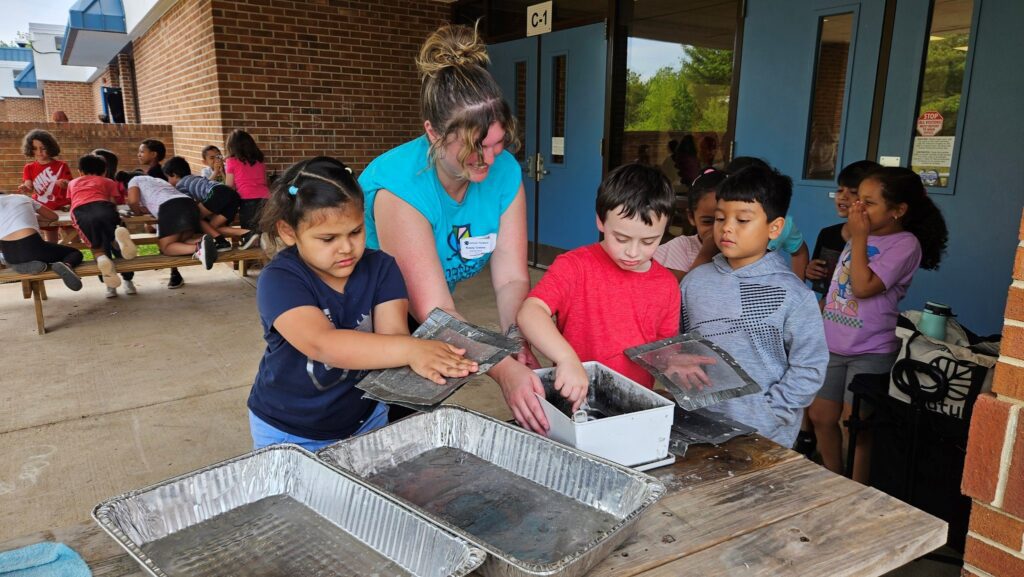
- GreenKids environmental literacy lessons for Pre-K to Grade 12 students in northern Virginia, DC and Maryland, and professional development training for teachers to be able to lead environmental education and Green School certification efforts.
- Water quality monitoring at 25 stream tributaries of the Potomac and Anacostia Rivers for over 30 years. We provide consistent, reliable water quality data to policymakers and the public.
- Flood preparedness and resilience outreach and education for highly flood-prone neighborhoods in DC’s Wards 7 and 8.
- Data center guidelines to protect the environment.
- Planting thousands of native trees and installing rain gardens and other green infrastructure in high-density urban neighborhoods to increase tree canopy, reduce urban “heat islands” and mitigate stormwater runoff during heavy rain events.
- Leadership, civic engagement and advocacy training for underserved communities in Fairfax County and Washington DC. Trained Conservation Ambassadors are equipped to be effective voices for their communities on issues that impact environmental and human health.
- Wheelchair-accessible nature trail through the woods, nature play space and bathrooms at our 40-acre Woodend Nature Sanctuary just north of DC, and school field trips that are hosted at Woodend and at Rust Nature Sanctuary in Leesburg, VA.
- Native plant kits to help with stormwater management and to support pollinators, native plant garden consultations, and best management practices on display at Woodend.
- Popular Woodend summer camp and days off camps; nature preschool.
Impact Statement
FY2026 ACCOMPLISHMENTS: OVER 35,000 PEOPLE SERVED
- Planted 960 native trees at schools and other Justice 40 communities, and 8,868 native shrubs, grasses, sedges and perennials in soft landing gardens.
- Distributed over 250 pollinator garden kits with instructions and support to residents of the Northwest Branch and Northeast Branch of the Anacostia.
- Assisted 70 schools in becoming Green Schools since the program began and reached 11,968 students and 406 teachers in the DC metro area with GreenKids hands-on environmental literacy lessons.
- Successfully advocated for natural resource parks and trails maintenance budgets to be restored in Fairfax and Montgomery Counties; made progress on data center regulations and education.
- Engaged Spanish-speaking residents of the Route 1 Corridor in Fairfax County in contacting their elected officials.
- We broke a Nature Forward record with the highest number of perfect scoring streams in over 30 years of the Water Quality Monitoring program’s existence, when 6 of 27 sites scored a 5.00 on the Index of Biological Integrity.
- Held successful Taking Nature Black #6 and Naturally Latinos #5 with rave reviews.
What ways can the public get involved?
Founded and run by volunteers for many years, Nature Forward continues to rely on their help in all areas of our mission. Nature Forward offers a range of volunteer opportunities to fit a variety of schedules, interests and abilities.
For more information about how to become a volunteer, please email Volunteer Coordinator Peihan Orestes at peihan.orestes@natureforward.org. To fill out an application, click here.
- Master Naturalists train with experts to become key players on Nature Forward’s volunteer teams.
- Teens: MCPS students can earn service learning hours through our camp programs or by participating with an adult in our water quality monitoring program.
How are charitable dollars spent? Where does my donation go?
DONATIONS CAN SUPPORT ANY OF THE FOLLOWING:
- General Operating
- Conference Sponsorship
- Conservation and Advocacy
- Environmental Education
- School Programs Scholarships
- Summer Camp Scholarships
- Woodend Sanctuary Restoration
Information provided March 2026
Greater DC Diaper Bank
 Greater DC Diaper Bank
EIN: 27-4276547
Mission Statement
Greater DC Diaper Bank supports vulnerable families across DC, Maryland, and Virginia by providing diapers and other critical hygiene items, and expanding access to essential services for those who need them most.
Program Summary
In collaboration with our partner network, we execute the following programs:
- Diaper Collection and Distribution Diapers are secured through in-kind donations and discounted wholesale purchases. Distribution partners receive 5,000–40,000 diapers each month. Because of our purchasing power, we can buy two diapers for the cost of one in stores.
- The Baby Pantry Established in 2014, the Baby Pantry distributes formula, wipes, baby food, and essential hygiene items for babies, teens, and adults. These include body wash, shampoo, deodorant, toothpaste, period products, and adult incontinence supplies.
- The Monthly Launched in 2016, this program provides menstrual products to those experiencing period poverty and is distributed through our Baby Pantry.
- The Nursery Project Established in 2017, the program provides bundles of baby gear that promote safe sleep, play, and travel, including cribs, strollers, and car seats.
Impact Statement
Greater DC Diaper Bank (GDCDB) continues to lead the charge as the largest diaper bank in the DC region and one of the largest nationwide. Distributing diapers, formula, baby food, period products, and other hygiene essentials through partners across DC, Maryland, and Virginia, we’re making a powerful impact by reaching families in 375 zip codes.
In 2024, we increased our regional service level from meeting 20% of the diaper need to 23%-a result of both operational improvements and strategic growth-to reach record levels of impact.
This growth was made possible by the addition of eight new community partners located in geographic areas of the highest levels of unmet diaper need. These data-driven programmatic decisions had a ripple effect—expanding our geographic reach, increasing equity in distribution, and deepening relationships across our community.
We distributed 10.2 million diapers, turning a value of over $4.02 million back to local families!
Our programs – The Baby Pantry, The Nursery Project, and The Monthly – provide basic needs items beyond diapers. In 2024, the value of these items provided to families for free was nearly $1 million.
In addition, we served 46,740 babies and 39,800 families, increasing service levels by 11%and 8%, respectively, over 2023.
What ways can the public get involved?
Give
- Give Items: We accept items for families at our warehouse and around the region! Visit greaterdcdiaperbank.org/donate-in-your-neighborhood
- Give Dollars: Financial support makes our work possible! Make your donation any time at greaterdcdiaperbank.org/give-dollars. For every $1 you spend on diapers at the store, we can buy two!
Volunteer
- On-Site: We welcome dozens of volunteers to our Silver Spring, MD warehouse each week! Visit greaterdcdiaperbank.org/volunteer to sign up today! All opportunities are family friendly and all ages are welcome.
- At Work: Our new Mobile Volunteer Program gives employers the chance to bring GDCDB to you! Visit greaterdcdiaperbank.org/mvp to learn more!
How are charitable dollars spent? Where does my donation go?
When you give to Greater DC Diaper Bank, your dollars go twice as far, every day. For every $1 donated, we can purchase two diapers through our wholesaler—twice as many as you’d be able to buy at a store.
Your dollars help us purchase hygiene supplies such as diapers and wipes, and support our programs including the Baby Pantry and Nursery Project. Financial support enables us to flexibly respond to the community’s most urgent hygiene needs and leverage our wholesale and corporate relationships for greater purchasing power and to ensure your dollars go as far as possible.

Information provided April 2025
OAR of Arlington, Alexandria and Falls Church
 OAR of Arlington, Alexandria and Falls Church
EIN: 54-1024562
Mission Statement
OAR is a community-based nonprofit organization that envisions a safe and thriving community where those impacted by the legal system enjoy equal civil and human rights. Through our Upstream work, we are confronting and dismantling individual racism and racism in the legal system and across all systems. Our Downstream work allows us to be on the journey with individuals of all genders returning from incarceration and their families. We also offer alternative sentencing options (including community service) and diversion programs so people can avoid the trauma of incarceration and instead help the community thrive.
Program Summary
OAR Upstream:
Racial Justice + Liberation
We lift the voices of Black, Indigenous, Latinx/e/o/a, Asian, and Mulitcultural (BILAM) people who have experienced racism and other intersecting forms of marginalization and challenge white people (WP) and those who have benefited from personal and systemic racism to become leaders in dismantling injustice and redressing the harm caused by personal racism. Efforts include facilitating multiple intensive virtual learning cohorts for community members and especially those working in law enforcement and the criminal legal system that address liberation and dismantling whiteness.
OAR Downstream:
Reentry Services
We work with individuals at the Arlington County Detention Facility, the Adult Detention Center in the City of Alexandria, the closest Virginia state prison, and other correctional facilities who are preparing to return to the community and who come back to Arlington, Alexandria, and Falls Church. We also journey with their families before and after release. Our efforts in facilities include pre-release workshops focused on reentry issues, health and wellness, group psychotherapy, and transition planning. After release, we provide direct services (such as housing assistance, clothing, transportation, smartphones, laptops, debt repayment, and ongoing help with rent and other expenses), offer a comprehensive Employment Program, and facilitate an ongoing weekly virtual support group for program participants. OAR also established a pilot, gender-responsive, clinical services initiative providing a range of reentry services specifically tailored for individuals identifying as women/female/femme who are coming home to the community after experiencing incarceration.
Alternative Sentencing + Diversion
OAR works with Arlington County and the City of Falls Church Courts to provide alternative sentencing and diversion programs. OAR’s community service program allows individuals to do volunteer work in the community in lieu of jail time and fines, to work off their accrued court costs, and also pay court costs. OAR is implementing a Diversion program in partnership with the Vera Institute and Office of the Commonwealth’s Attorney – Arlington County and the City of Falls Church with the goal of reducing recidivism as well as racial disparities amongst individuals sentenced to diversion programs. (by 20% each year)
Impact Statement
OAR is a Collective, non-dominant, decolonizing, pro-Black, racially just, radically joyful, deeply loving, come as you are, liberated organization that puts participants first. We center authentic and fully engaged relationships with all members of the OAR community. Our goals include partnering with those who have experienced incarceration so they can create a safe reentry for themselves and preventing other individuals from enduring that trauma through alternative sentencing programs. With our upstream social justice work, we hope to spur the type of pro-Black racial justice activism that will help ensure that no one will need our social services and OAR no longer needs to exist 50 years from now.
How are charitable dollars spent? Where does my donation go?
- $50 – Provides a stipend to a child of an OAR participant impacted by incarceration
- $100 – Provides 1 month transportation/metro fare for OAR participant(s)
- $250 – Cover ID retrieval for OAR participant(s) needed to secure housing
- $500 – Covers up to three months of coaching for an OAR participant(s)
- $1,000 – Provides up to one month of rent for at least an OAR participant(s)
- $2,500 – Provides up to 90 days worth of reentry services for OAR participant(s)

Information provided March 2026
Specially Adapted Resource Clubs (SPARC)
 Specially Adapted Resource Clubs (SPARC)
EIN: 20-5513060
Mission Statement
Specially Adapted Resource Clubs (SPARC) exists to provide adults with severe and multiple disabilities with enduring learning opportunities, meaningful social connections, and a rightful and valued place in the community. SPARC is committed to fostering inclusion, independence, and dignity for individuals who have aged out of school-based services and have limited access to traditional support programs. Through innovative, person-centered programming, SPARC ensures that every participant has the opportunity to engage, learn, and thrive.
Program Summary
SPARC’s participants engage in structured, goal-oriented activities that promote cognitive engagement, physical well-being, and social interaction. The organization follows George Engel’s Biopsychosocial model, which recognizes that health and well-being are influenced by biological, psychological, and social factors. SPARC uses assistive technology, adaptive tools, and customized accommodations to ensure that all participants have opportunities for meaningful engagement.
SPARC’s programs are highly subsidized, to ensure cost is not a barrier to participation. This financial model ensures that families can maintain employment and allocate their income toward essential living expenses such as housing, utilities, and transportation.
Impact Statement
SPARC distinguishes itself from other organizations serving adults with severe and multiple disabilities through its participant-driven programming, community integration, commitment to therapeutic recreation, financial accessibility, whole family focus, and research innovation. While many disability service providers focus on institutional care or rigid traditional day programs, SPARC has pioneered an innovative service delivery model that prioritizes personal choice and meaningful engagement. SPARC is specifically designed for individuals who are unable to work due to the complexity of their disabilities. By offering full-time, one-on-one support and specialized therapeutic care, SPARC fills a critical gap in disability services.
What ways can the public get involved?
SPARC welcomes volunteers to join our centers!
How are charitable dollars spent? Where does my donation go?
A gift of $10 provides supplies for one participant, ensuring they have the materials needed to fully engage in daily activities.
A donation of $50 covers the cost of one life skills or vocational training class, offering participants the opportunity to build independence and confidence.
With $150, SPARC can organize an inclusive community outing for ten individuals, promoting social connection and community integration.
A contribution of $200 funds a full month of adapted Zumba classes for up to 30 participants, supporting physical wellness and joyful movement.
A gift of $475 provides ten weeks of targeted skills classes that foster personal growth, communication, and independence.
For $750, one participant can attend SPARC’s full-day, one-on-one supported program for an entire month, gaining access to therapeutic recreation and individualized care.
A donation of $2,500 enables SPARC to purchase assistive communication technology for a non-verbal participant, transforming how they connect with the world.
With a generous gift of $9,000, a donor can underwrite a full year of daily SPARC attendance for one individual, ensuring they receive continuous support, engagement, and inclusion.
Information provided January 2026