
Population: Elderly
 The Fenwick Foundation
 The Fenwick Foundation
EIN: 27-4879033
Mission Statement
The Fenwick Foundation is a 501(c)(3) public charity focused on improving quality of life, health and wellbeing in ways that are not addressed or “below the radar.” We provide a wide range of therapeutic recreational, cultural and educational outings and activities as well as support programs, including economic support, dental care, and vision care to low-resource and vulnerable adults and older adults, veterans and returning military personnel, people with disabilities, caregivers, and immigrant status adults.
Program Summary
Enriching Lives — Social, & educational opportunities to attend theater, museums, sporting events, “out-to-eat” group lunches/dinners, zoo visits, parks, river cruises, bowling, movies, etc. Program addresses mental and physical health needs of Seniors/Elderly, Veterans, and other special needs individuals living in skilled nursing, assisted living, & group residence facilities to get groups “out-of-the-house” for physical/mental stimulation and activities. Program encourages more active lifestyle and social interaction.
Dental Care —Project ADAPT provides needed dental care to low-income older adults, immigrant-status low-income adults and people with disabilities not receiving adequate or any dental care. We provide a full range of dental procedures/ treatments as well as a dental home for our patients in Northern Virginia. Far too many do not have financial or logistical access to this basic health care need. We are determined to change this condition.
Impact Statement
Enriching Lives has had an impact on those combating mental health and physical health issues. Our program gets people “out of the house” and into the community to help address the issues of loneliness and isolation.
Our Project ADAPT Dental program has had a major impact on the oral health of those we served. Pain has been lessened, smiles have been returned, and folks have been able to more easily chew and eat food. Oral health impacts heart and physical health, so our patients have been impacted in these areas as well.
What ways can the public get involved?
Our programs require funding to operate. Your donations will help us to continue and expand/improve these vital programs.
How are charitable dollars spent? Where does my donation go?
Your donation goes to help fund our programs and keep them running. Over 90% of donations go directly to fund the organization’s programs.
Your donations help us to obtain tickets to the activities we sponsor. And your donations go to directly fund needed dental treatments and procedure for those who otherwise can not afford the cost of dental treatments.
Information provided March 2025
Habitat for Humanity of Washington, D.C. & Northern Virginia
 Habitat for Humanity of Washington, D.C. & Northern Virginia
EIN: 52-1589700
Mission Statement
Habitat for Humanity of Washington, D.C. & Northern Virginia’s (Habitat DC-NOVA) mission is to reduce poverty and housing instability in the national capital area by creating and preserving decenter, affordable, and energy-efficient homes for Washington, D.C., and Northern Virginia residents with low to moderate incomes.
Program Summary
Habitat DC-NOVA believes that everyone deserves a safe, decent place to live. We work to break down barriers to homeownership and help families create stability and intergenerational wealth through permanent housing.
Homeownership: Habitat provides unique opportunities for families with low to moderate incomes to buy their first home. We build quality homes and partner with DC & NOVA families to sell them below market value with affordable financing, reduced down payments, and mortgage payments proportional to income. We serve families earning 30-80% of the Area Medium Income (AMI) and who live in Arlington County, Fairfax County, The Cities of Alexandria, Falls Church, Fairfax, and the District of Columbia.
Home Repair: We partner with seniors with lower incomes and adults with disabilities to help them make critical repairs and accessibility modifications to their homes. By helping families who cannot afford these repairs, we’re helping to make their homes safe, healthy, and supportive of aging in place. With modifications and support, they can continue to live—and thrive- in their own homes and communities.
Impact Statement
For the last 35 years, Habitat DC-NOVA has partnered with families to help them build stronger foundations for their future. Currently, 1/3 of households in our region pay more than 30% of their monthly income towards housing. With many spending a large portion of their income on housing, they have to make difficult decisions between spending on housing, healthcare, food, and transportation.
We have built over 300 homes, completed over 235 home repairs, and served almost 2,000 individuals. In 2018, we found that 52% of homeowners pursued higher education, and 92% of children in Habitat homes had graduated high school.
We have set an ambitious goal to serve 1,000 people by 2030 through our homeownership and home repair program. Active construction is going on in Arlington at Reeves Farmhouse, in DC at 55th Street, and in Fairfax at Fairfax Presbyterian Church.
What ways can the public get involved?
Habitat DC-NOVA brings people with all different backgrounds together to eliminate poverty housing and build community alongside our neighbors needing a decent place to live. We believe everyone can make a difference with their unique skills and talents, and we offer a variety of opportunities to support our affordable housing mission.
Whether you want to swing a hammer, help bring in donations at the ReStore, hold a fundraiser to support our builds, plan an event to raise awareness of housing needs or advocate for housing policies, we have an opportunity that will fit your needs.
Volunteering: We have volunteer opportunities on our construction site, our ReStores, and in our office. Learn more at https://www.habitatdcnova.org/get-involved/volunteer/
Donate home goods, furniture, or construction materials to the ReStore. We have three ReStores (Alexandria and Chantilly) open to the public Monday-Saturday. Shop the store that helps build homes! We accept donations at the store and may be able to pick up larger items at your home. Learn more at https://www.habitatdcnova.org/restore/
Donate your vehicle, motorcycle, or RV to the Habitat for Humanity Cars for Homes program. Your vehicle can help support local families in building strength, stability, and shelter. Learn more at https://www.habitatdcnova.org/support-us/donate-your-car/
How are charitable dollars spent? Where does my donation go?
Habitat DC-NOVA provides decent, affordable homes to families needing a safe place to call home. Each donation is used responsibly to support programs, serve families, and build more equitable and accessible communities in our region. We are currently ranked as a 4-star charity on Charity Navigator, with a 94% ranking.
With the continually increasing cost of building materials and land, we work hard to build partnerships to reduce these expenses. However, significant costs for materials, site preparation, and other services are still needed to serve families in our area.
Information provided March 2026
Culpepper Garden
 Culpepper Garden
EIN: 54-1681671
Mission Statement
Serving Northern Virginia since 1975, Culpepper Garden nonprofit retirement community provides affordable housing and a range of supportive services that enable older adults on very low, fixed incomes to age with independence, dignity, wellness, connection, and peace of mind. This award-winning community provides a vital lifeline for 400 vulnerable seniors per year who in no other instance can afford a home in this costly area or the services that meet their basic needs as they grow older. In many cases, Culpepper Garden is their last, best home.
Program Summary
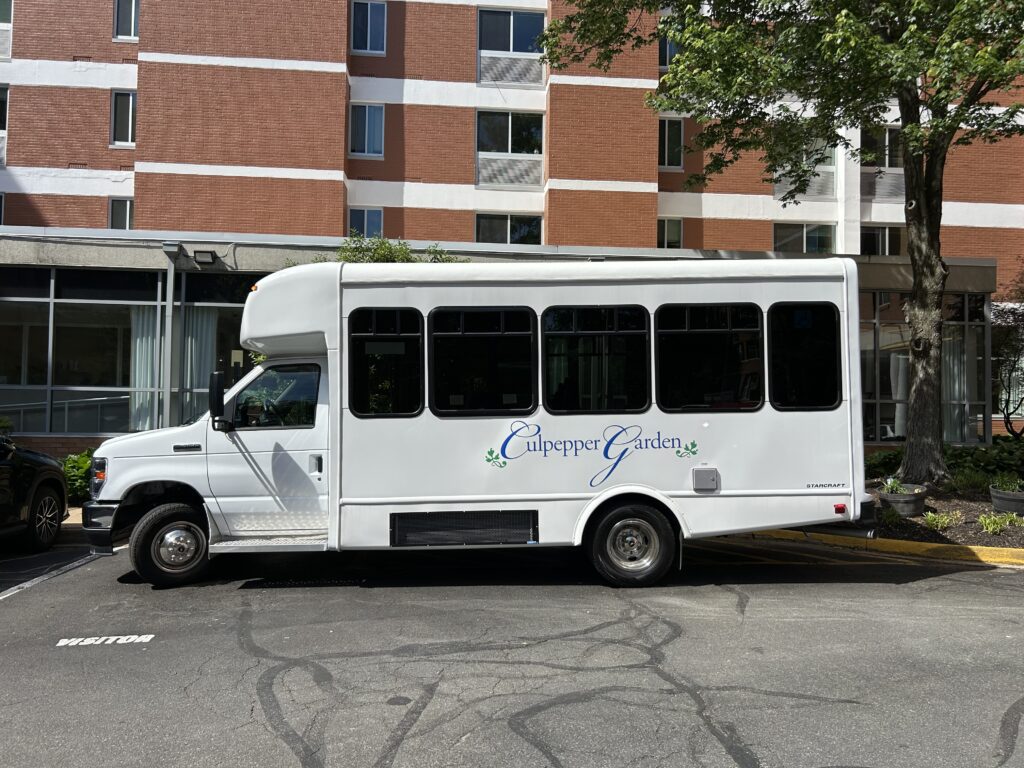
Owned by the nonprofit Arlington Retirement Housing Corporation, Culpepper Garden provides 346 units of federally subsidized Independent Living. Our services begin with immediate housing stabilization in our well-maintained apartments, but our work does not end there. We are the only affordable retirement community in Arlington that offers a dining plan and provides free transportation to medical appointments and shopping destinations to ensure our residents have food security and access to healthcare services. A full calendar of daily activities fosters social engagement and enriches our residents’ lives. An array of free and low-cost wellness services provided by two dozen community partners help to maintain residents’ physical, dental, visual, and mental health. Through responsible stewardship and a commitment to equity, we strive to ensure older adults with limited resources have a stable home, meaningful support in a vibrant community, and the opportunity to thrive.
This affordable, service-enriched housing model has helped to reduce homelessness among older adults in Arlington County by 15% over the past several years. Culpepper Garden’s services provided in collaboration with our partners’ wellness programs consistently improve health outcomes for our residents, resulting in a 20% decrease in hospital admissions. We remain committed to providing a safety net for Arlington’s most vulnerable older adults and meeting their needs for generations to come.
Impact Statement
Our impact is reflected in the ability of older adults to age in place with stability, dignity, and appropriate support. At Culpepper Garden, residents secure not only affordable housing, but also access to essential services that enable them to maintain independence and quality of life.
While we serve individuals aged 62 and older who meet federal income eligibility requirements, our resident population is significantly older and more vulnerable than these criteria suggest. Sixty-five percent of residents are age 75 or older, and nearly one-third are over age 82, with many living into their 90s and beyond.
Residents live on extremely limited financial resources, with an average annual income of $18,069. The majority rely on Social Security, and many require additional assistance to meet basic needs, including food security. A growing number of residents enter our communities following periods of housing instability or homelessness.
Through stable housing and coordinated support, Culpepper Garden enables older adults with the greatest needs to live safely, maintain independence, and experience improved well-being.
What ways can the public get involved?
Volunteer. Our organization could not do this important work without the dedicated, passionate volunteers who serve Culpepper Garden. Volunteers assist with maintaining our gardens and grounds, assisting with special events, leading resident activities, and more. By volunteering here, you will be joining others in our community who are making a positive difference.
Donate. Almost all of the funding we receive from donors goes toward delivery of affordable service-enriched housing that enhances the lives of at-risk older adults. We are extremely efficient in how we use the money we have.
Collaborate. We regularly seek out opportunities to partner with local organizations and supporters who compliment and advance the impact we are able to make in our community. We’ve been able to sustain our work for more than 50 years because of our lasting partnerships
How are charitable dollars spent? Where does my donation go?
Financial support plays a vital role in sustaining and expanding our mission to provide affordable housing, services, and compassionate support for older adults with limited financial meals. Every contribution directly helps create a safe and supportive living environment while also funding programs that promote health, social connection, and overall well-being.
Through careful and responsible stewardship of every dollar, we ensure that resources are used efficiently and transparently to maximize their impact.
By investing in this work, donors help empower older adults to live with dignity and purpose—ensuring they have a stable home and the opportunity to truly thrive.
Information provided March 2026
National Chamber Ensemble (NCE)
 National Chamber Ensemble (NCE)
EIN: 46-4007072
Mission Statement
The Mission of the National Chamber Ensemble (NCE) is to entertain as well as provide opportunities to appreciate and enjoy the art of chamber music, bringing together performers, audiences and composers. The NCE produces high quality chamber music performances for the general public at a reasonable cost. Through our performances and commissions of original musical works we present a full range of chamber music repertoire from the classics to the contemporary. The most important goal of the NCE is to build a sense of closeness between performers and audience that enhances the feeling of community and a deeper musical experience.
How are charitable dollars spent? Where does my donation go?
Contributions are tax deductible to the fullest extent of the law. They support educational programs NCE produces as well as general operation support such as printing, piano movers, piano tuners etc. They may help with special projects involving guest artists.
Information provided March 2025
Greater DC Diaper Bank
 Greater DC Diaper Bank
EIN: 27-4276547
Mission Statement
Greater DC Diaper Bank supports vulnerable families across DC, Maryland, and Virginia by providing diapers and other critical hygiene items, and expanding access to essential services for those who need them most.
Program Summary
In collaboration with our partner network, we execute the following programs:
- Diaper Collection and Distribution Diapers are secured through in-kind donations and discounted wholesale purchases. Distribution partners receive 5,000–40,000 diapers each month. Because of our purchasing power, we can buy two diapers for the cost of one in stores.
- The Baby Pantry Established in 2014, the Baby Pantry distributes formula, wipes, baby food, and essential hygiene items for babies, teens, and adults. These include body wash, shampoo, deodorant, toothpaste, period products, and adult incontinence supplies.
- The Monthly Launched in 2016, this program provides menstrual products to those experiencing period poverty and is distributed through our Baby Pantry.
- The Nursery Project Established in 2017, the program provides bundles of baby gear that promote safe sleep, play, and travel, including cribs, strollers, and car seats.
Impact Statement
Greater DC Diaper Bank (GDCDB) continues to lead the charge as the largest diaper bank in the DC region and one of the largest nationwide. Distributing diapers, formula, baby food, period products, and other hygiene essentials through partners across DC, Maryland, and Virginia, we’re making a powerful impact by reaching families in 375 zip codes.
In 2024, we increased our regional service level from meeting 20% of the diaper need to 23%-a result of both operational improvements and strategic growth-to reach record levels of impact.
This growth was made possible by the addition of eight new community partners located in geographic areas of the highest levels of unmet diaper need. These data-driven programmatic decisions had a ripple effect—expanding our geographic reach, increasing equity in distribution, and deepening relationships across our community.
We distributed 10.2 million diapers, turning a value of over $4.02 million back to local families!
Our programs – The Baby Pantry, The Nursery Project, and The Monthly – provide basic needs items beyond diapers. In 2024, the value of these items provided to families for free was nearly $1 million.
In addition, we served 46,740 babies and 39,800 families, increasing service levels by 11%and 8%, respectively, over 2023.
What ways can the public get involved?
Give
- Give Items: We accept items for families at our warehouse and around the region! Visit greaterdcdiaperbank.org/donate-in-your-neighborhood
- Give Dollars: Financial support makes our work possible! Make your donation any time at greaterdcdiaperbank.org/give-dollars. For every $1 you spend on diapers at the store, we can buy two!
Volunteer
- On-Site: We welcome dozens of volunteers to our Silver Spring, MD warehouse each week! Visit greaterdcdiaperbank.org/volunteer to sign up today! All opportunities are family friendly and all ages are welcome.
- At Work: Our new Mobile Volunteer Program gives employers the chance to bring GDCDB to you! Visit greaterdcdiaperbank.org/mvp to learn more!
How are charitable dollars spent? Where does my donation go?
When you give to Greater DC Diaper Bank, your dollars go twice as far, every day. For every $1 donated, we can purchase two diapers through our wholesaler—twice as many as you’d be able to buy at a store.
Your dollars help us purchase hygiene supplies such as diapers and wipes, and support our programs including the Baby Pantry and Nursery Project. Financial support enables us to flexibly respond to the community’s most urgent hygiene needs and leverage our wholesale and corporate relationships for greater purchasing power and to ensure your dollars go as far as possible.

Information provided April 2025
CARE, Inc.
 CARE, Inc.
EIN: 54-1807476
Mission Statement
CARE, Inc. mobilizes partnerships and community leadership to connect people with resources, opportunities, and support systems that strengthen families, enrich lives, and build a more inclusive and economically vibrant community.
We foster trust, cultivate collaboration, and deliver impactful programs that advance education, economic empowerment, and community well-being.
Program Summary
CARE, Inc. (Community Association of Resources, Education, Enrichment & Economics) is a community-rooted nonprofit dedicated to strengthening families and advancing underserved communities.
We serve as a trusted connector—bringing together residents, service providers, local businesses, and strategic partners to build a more equitable, resilient, and thriving community. Through collaborative initiatives, including the Green Valley Farmers Market, we expand access to fresh food, economic opportunity, youth development, and supportive services that uplift generations.
Our work is grounded in relationships, driven by community voice, and focused on creating sustainable systems that support health, stability, and long-term prosperity.
CORE PROGRAM AREAS
🥕 1. Green Valley Farmers Market (Food Access + Economic Development)
- Weekly seasonal farmers market in a historically underserved community
- Increases access to fresh, culturally relevant foods
- Supports local farmers, small businesses, and entrepreneurs
- SNAP/EBT access and healthy food incentives (planned/expanding)
🚲 2. Youth Development & Workforce Pipeline (Ages 10–18)
- Gardening Apprenticeship Program (GAP)
- Financial literacy, entrepreneurship, and job readiness training
- Youth-run market participation (vendors, operations, leadership roles)
- Summer internships and community service engagement
👵🏽 3. Seniors & Aging in Place
- Food access support through market and delivery options (developing)
- Resource navigation for housing, health, and social services
- Community connection to reduce isolation
- Advocacy for affordable housing and aging-in-place solutions
COMMUNITY NEED
- Limited access to fresh, affordable food in historically underserved neighborhoods
- Youth lacking structured workforce development and leadership opportunities
- Seniors facing housing instability, isolation, and barriers to services
- Fragmented service systems that require stronger coordination and trust
CARE addresses these gaps through integrated, place-based solutions that meet people where they are.
Impact Statement
We build community-led solutions that strengthen families, reduce inequities, and create sustainable pathways to opportunity.
🎯 Our Focus Areas
Food Access & Economic Opportunity
Green Valley Farmers Market
- Fresh, culturally relevant food access
- Local vendor & small business support
- Youth entrepreneurship opportunities
Youth Development (Ages 5–10) — Early Foundations Program
- Literacy enrichment & reading engagement
- Social-emotional learning (SEL) & confidence building
- Nutrition education & healthy habits (linked to Farmers Market)
- Creative arts, storytelling & cultural identity
- Safe, structured enrichment in community spaces
Youth Development (Ages 10–18)
- Workforce readiness & leadership training
- Hands-on entrepreneurship (market vendors, internships)
- Mentorship & community engagement
Aging in Place (NEW 2026 Initiative)
- Volunteer caregiving & companionship
- Transportation, meals, and home support
- Reducing senior isolation and housing instability
What ways can the public get involved?
🌿 Public Engagement Strategy for CARE, Inc. Programs
🤝 1. Volunteer Pathways (Entry → Leadership)
Create clear, flexible ways for people to get involved immediately:
Entry-Level (Easy On-Ramp)
- One-day service events (farmers market setup, senior home clean-ups)
- “Bring-a-friend” volunteer days
- Youth + family volunteer opportunities
Ongoing Roles
- Senior companions (“Adopt-a-Grandparent” model)
- Market ambassadors & greeters
- Youth mentors & reading buddies (ages 5–10 program)
Leadership Roles
- Volunteer team leads
- Community captains by neighborhood
- Advisory committee members
🧒🏽 2. Family & Intergenerational Programming
Bring the whole community together—not just individuals.
- “Kids & Seniors Together” days (reading, storytelling, cooking)
- Family volunteer days at the farmers market
- Youth teaching seniors tech basics (phones, apps, telehealth)
- Community gardening days
🥬 3. Community Events as Engagement Hubs
Use events as entry points into deeper involvement
- Green Valley Farmers Market activations:
- Health screenings
- Cooking demos
- Youth vendor showcases
- Seasonal events (Back-to-School, Senior Appreciation Days)
- “Community Care Days” in neighborhoods
🗣 4. Community Voice & Co-Design
Let residents help shape the programs
- Quarterly community listening sessions
- Surveys (paper + QR code at events)
- Youth advisory council
- Senior advisory group
📣 5. Faith & Community Partnerships
Leverage trusted institutions
- Partner with churches for:
- Volunteer recruitment
- Senior outreach
- Space for programs
- Collaborate with schools for youth engagement
- Engage local businesses as sponsors + volunteers
📱 6. Digital Engagement (Simple + Consistent)
Meet people where they already are:
- Monthly email/newsletter: “CARE in Action”
- Social media:
- Volunteer spotlights
- Senior stories
- Youth success highlights
- Text reminders for events and volunteer shifts
🎓 7. Skill-Based & Corporate Volunteering
Tap into professional talent:
- Handymen → senior home repairs
- Accountants → financial literacy workshops
- Chefs → cooking demos
- Corporate teams → service days
🧾 8. Public Recognition & Storytelling
People stay involved when they feel valued
- Volunteer of the Month
- Youth achievement showcases
- Senior stories (“Legacy Voices of Green Valley”)
- Social media + event recognition
How are charitable dollars spent? Where does my donation go?
The majority of funds directly support community programs:
Food Access & Farmers Market
- Fresh food distribution and access initiatives
- Market operations (permits, equipment, logistics)
- Vendor support and small business development
Youth Development (Ages 5–18)
- Educational materials, books, and supplies
- Youth stipends and workforce training
- Mentorship programs and enrichment activities
Aging in Place (Senior Support)
- Transportation assistance and meal support
- Volunteer coordination for caregiving services
- Basic home support (supplies, minor repairs)
CARE, Inc. invests charitable dollars where they matter most—directly into people, programs, and community solutions—while maintaining lean operations and measurable impact. We work mostly with volunteers and pay stipends for our Interns.

Information provided March 2026
Affordable Homes & Communities (AHC)
 Affordable Homes & Communities (AHC)
EIN: 54-1026365
Mission Statement
The residents of Affordable Homes & Communities (AHC) are at the heart of all we do. We build opportunity by creating quality homes with holistic resident services. We drive change through innovation, genuine partnerships, and responsible investment.
AHC envisions a world where all people share the same opportunities regardless of income, race, or other qualities; where housing is integral to a healthy, welcoming, and equitable society; and where affordable homes are available to all.
Program Summary
AHC’s Resident Services program provides a multitude of services for children, families, adults, and senior citizens. The resident-driven program focuses on four key areas of housing stability:
Education & Youth Development: AHC’s educational programs for students K-12 encourage academic and personal growth.
Health & Wellness: AHC supports residents’ holistic well-being by promoting physical, mental, and social health.
Economic Mobility: Through onsite programming, we ensure residents have access to stable housing and key resources to help them thrive.
Community Building & Engagement: Our communities host a variety of activities to bring residents together and build strong connections among neighbors.
Impact Statement
Affordable Homes & Communities provides quality affordable housing enriched by a nationally accredited Resident Service program. In 2025, 6,750 residents were positively impacted by our education and youth development, health and wellness, economic mobility, and community engagement programs. 1,700 residents attended health-related programs, 865 residents were supported with employment services, 165 elementary students participated in the Afterschool Program, and 700 community building events were hosted. This year, AHC proudly recognizes 50 years of building quality homes with holistic resident services.
What ways can the public get involved?
Please visit our website to learn more:
· Volunteer. Join us to tutor students, distribute groceries to a senior citizen, serve a holiday meal, and much more. Activities are available for individuals and groups.
· Donate. Consider making a special tribute gift, ask your employer if they will match donations, or share a meaningful gift through your donor-advised fund.
· Partner with us. We welcome the opportunity to create a meaningful community, corporate, or advocacy partnership to best match your interest in supporting AHC residents.
How are charitable dollars spent? Where does my donation go?
Contributions to Affordable Homes & Communities (AHC) support the year-round Resident Services program. AHC provides vital social services and onsite education, economic, and wellness programs to improve the lives of AHC residents.
Your generosity means more neighbors from low-income households will have a safe and nurturing place to access budgeting workshops, rent relief, vaccine clinics, job readiness workshops, community movie nights, tutoring, summer camp, field trips, college prep for teens, and much more. Thank you!
Information provided March 2026
Wesley Housing
 Wesley Housing
EIN: 51-0155779
Mission Statement
Wesley Housing’s mission is to build up communities with quality affordable housing and resident services.
Program Summary
Beyond building/preserving permanent housing options for persons with low- and moderate-incomes across Virginia and Washington, DC, we strive for our housing to be a foundation to thrive. We do this by offering free support services/education to every to guide residents on their paths to self-sufficiency. As such, our core lines of business are real estate development, asset management, and resident services.
Through our Housing Stability Initiative (HSI), the basis of our award-winning resident services programming, Wesley Housing provides supportive services residents on-site in their communities, including 380 households in Arlington. The Initiative operates on the basis that housing is the foundation families need to thrive, and once stabilized, families can build up other aspects of their lives. As such, in addition to eviction prevention support, the HSI also provides workforce development opportunities, health/wellness offerings, and household assistance.
Impact Statement
For more than 50 years, Wesley Housing has provided permanent, affordable housing to generations of people experiencing financial insecurity.
Today, we own 43 communities home to 5,300 residents, including multi-family apartments and communities for older adults/individuals with disabilities/chronic disease. Five of these communities are located in Arlington County and are home to 816 residents, 87% of which are BIPOC and earn $37,458/year on average.
At the same time, we are still rapidly expanding. Our Real Estate team has 1,000+ affordable units in its development pipeline, including new construction and renovations, such as the Melwood-Wesley Inclusive Community in Arlington.
The impact we make each year is measured by the success of our residents. In 2025, 395 residents accessed linkage and referral services. Through the work of our resident services team, 66 evictions were prevented, 20 residents received new/more gainful employment, 294 residents participated in health/wellness offerings, and 1,453 residents received household assistance (i.e. food/hygiene items). This summer, we served 258 youth through Quest summer camp, and launched Odyssey for older adults, engaging 149 participants. In addition, 606 K-12 students received new backpacks and supplies through Supplies for Success, and 789 residents received holiday assistance through Holiday Help.
What ways can the public get involved?
Wesley Housing welcomes support of our major giving campaigns throughout the year including the Housing Stability Initiative (year-round), QUEST Summer Youth Enrichment Program (April/May), Back-to-School (July/Aug), and Holiday Help (Nov-Dec).
In addition, volunteers serve in many capacities including youth and adult education assistants and tutors; translators; holiday helpers (gift wrappers, sorters) and delivery drivers; food pantry assistants; youth summer camp chaperones; and more.
How are charitable dollars spent? Where does my donation go?
Donations help strengthen our award-winning Housing Stability Initiative (HSI) by allowing us to adequately scale our resident services to our growing portfolio. Following a recent merger with Virginia United Methodist Development Corporation, Wesley is poised to serve even more residents across its new footprint in central and southern Virginia. Funding will help ensure each of these community members have access to the support they need to thrive.
Information provided March 2026
Capital Caring Health
 Capital Caring Health
EIN: 54-1920770
Mission Statement
Capital Caring Health’s mission is to provide compassionate end-of-life support for individuals with life-limiting illnesses, offering high-quality care to patients of all ages and their families, regardless of one’s ability to pay.
Program Summary
At Capital Caring Health (CCH) we provide comprehensive hospice care, including a dedicated bereavement program to support families.
Through our Capital Caring Kids (CCK) program, we offer specialized pediatric care that addresses the social, emotional, psychological, and spiritual needs of children facing serious illness. CCH and CCK provide compassionate care for the entire family, understanding the impact of long-term illness on loved ones. We provide support through the challenges of illness and help families navigate each step along the way.
Impact Statement
In 2024, Capital Caring Health provided care to 6,545 patients and offered bereavement support to 4,752 individuals. Capital Caring Health is projected to provide $1,463,000 in charity care to cover services and supplies.
What ways can the public get involved?
Capital Caring Health provides a variety of volunteer opportunities. For more details, please visit this link: https://www.capitalcaring.org/get-involved/become-a-volunteer/
How are charitable dollars spent? Where does my donation go?
At Capital Caring Health
- A gift of $30 will provide one day of three Nutrional meals delivered to a patient’s home.
- A gift of $110 can provide in-home telehealth equipment to keep our patients connected to expert medical care.
At Capital Caring Kids
- A gift of $25 can provide therapeutic play supplies for a child.
- A gift of $100 can provide a pediatric patient without insurance specialty medical equipment.
Information provided March 2025